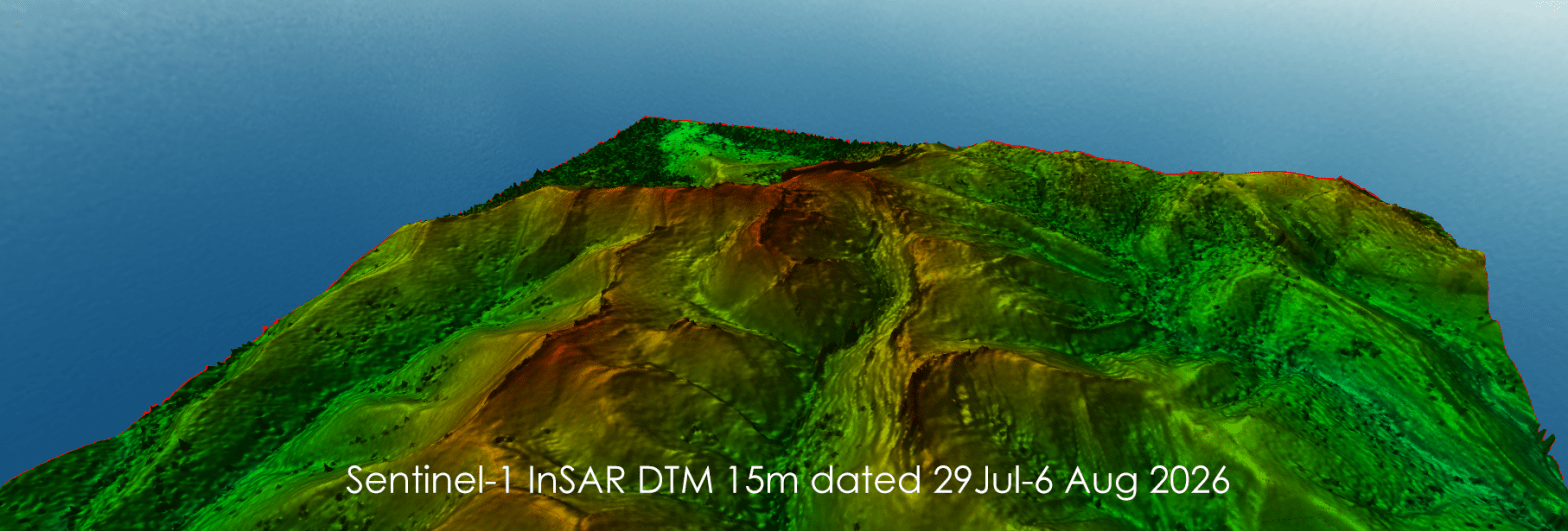
Hay una pregunta que me ronda desde hace tiempo: ¿hasta qué punto puede un analista GIS, sin presupuesto de misión espacial ni acceso a LiDAR propio, generar un Modelo Digital del Terreno con una precisión que supere a los DEM globales de libre acceso? La respuesta corta: sí se puede, pero el camino no es trivial. Este post documenta ese camino completo, con todos sus tropiezos incluidos, porque creo que el valor real de un tutorial está tanto en lo que sale bien como en lo que se rompe por el camino.
Tag Archives: srtm
Flood assessment using RADAR (Sentinel1), SRTM v3+ and GHSL pop estimation
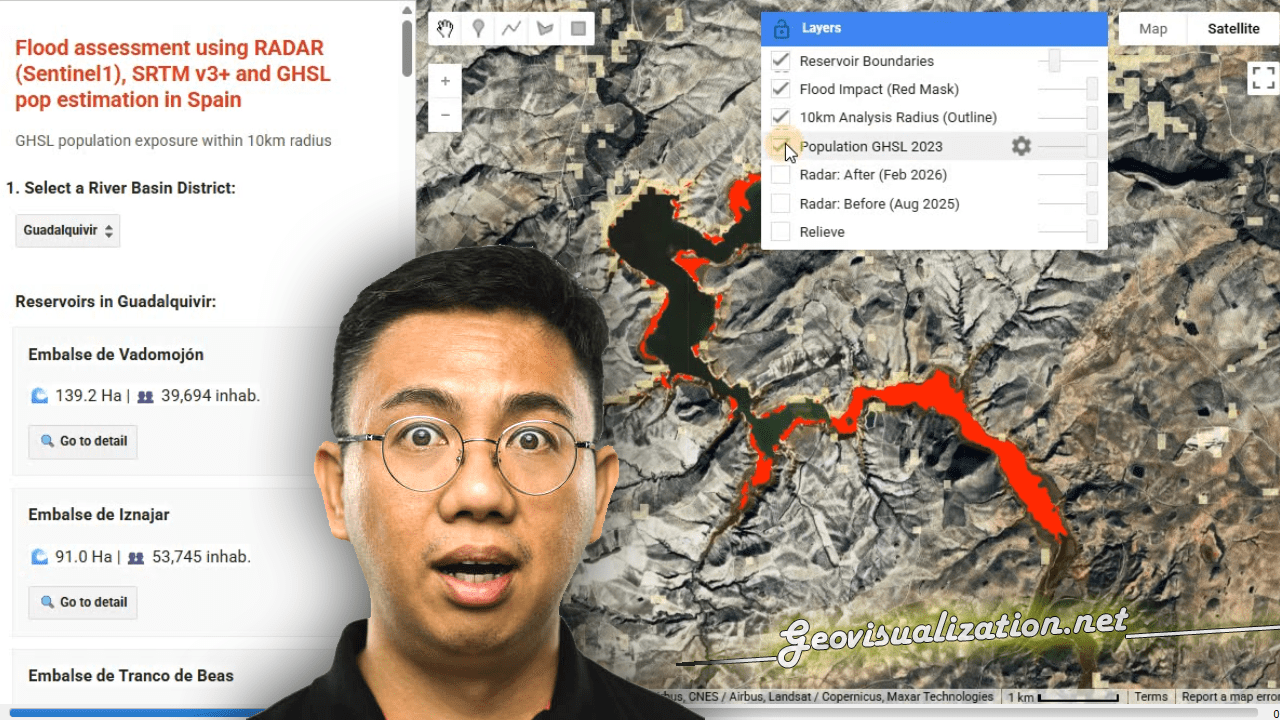
I have developed this NRT FLOOD RISK ASSESSMENT monitor in GEE that merges the power of RADAR and GHSL to detect impact over POPULATIONS under any weather conditions.
You can use geospatial intelligence to quickly transform satellite data into critical decisions during climate emergencies. GIS technology driving global resilience!
Comparación de DTM usando Global Mapper 17.0.1

Comparar, primero visualmente y después cuantitativamente dos DTM. Por un lado elegimos una fuente muy usual, SRTM con un DTM derivado de Fotogrametría Stereo.
DTM validation using Google Earth (and RMSE extraction)
Hi guys, Surfing the internet is great when you need to figure out something. I needed to validate some DTM from unknown sources against an also unknown source (but at least a kind of reliable one, Google Earth). All we need is Google Earth TCX converter ARcGIS Excel This is the procedure i have followed:Continue reading “DTM validation using Google Earth (and RMSE extraction)”
HTML High resolution DTM visualization using QGIS
This QGIS Plugin, Qgis2threejs, exports terrain data, map canvas image and vector data to your web browser!! All you have to do is opening the DTM in QGIS (2.4.0 Chugiak), go to plugins library and install Qgis2threejs. Once its installed you will see this icon on screen and you will need to clic on it. ThenContinue reading “HTML High resolution DTM visualization using QGIS”
DTM from SRTM? Let’s compare sources using RMSE (Root Mean Square Error) and a gaussian kernell density map
I guess we all can make a DTM out of many sources but SRTM is one of the most common ones, right?. Then let’s learn from this very simple approach how close we are from the SRTM raw data. Selecting a not very big representative area to be able to handle it, exporting raster to polygon (fromContinue reading “DTM from SRTM? Let’s compare sources using RMSE (Root Mean Square Error) and a gaussian kernell density map”

